king of the bingo game pdf
King of the Bingo Game: A Comprehensive Analysis
Ralph Ellison’s poignant tale‚ often found as a PDF resource‚ delves into a man’s struggle against fate and systemic barriers within 1930s America․
Ralph Ellison‚ a pivotal figure in American literature‚ is celebrated for his exploration of African American identity‚ invisibility‚ and the search for selfhood․ Best known for his novel Invisible Man‚ Ellison also crafted compelling short fiction‚ including “King of the Bingo Game‚” first published in Tomorrow in November 1944․ Often available as a PDF for academic study‚ the story presents a stark portrait of a nameless man grappling with poverty and desperation in 1930s America․
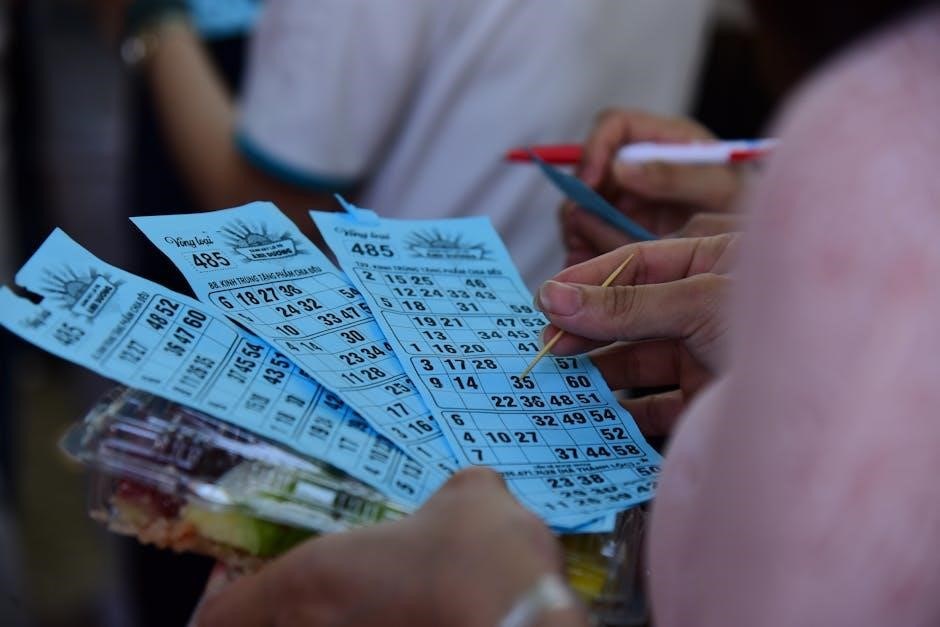
The narrative centers on a man seeking solace and potential financial relief in a bingo game‚ hoping to alleviate his wife Laura’s illness․ While frequently analyzed as a precursor to Invisible Man‚ “King of the Bingo Game” stands powerfully on its own‚ offering a concentrated examination of power‚ control‚ and the human spirit’s resilience against overwhelming odds․
Historical Context: 1930s America and African Americans
The 1930s in America were defined by the Great Depression‚ a period of widespread economic hardship that disproportionately affected African Americans․ Systemic racism and discrimination severely limited opportunities for employment and advancement‚ creating a cycle of poverty․ Access to basic necessities like healthcare was severely restricted‚ as highlighted in the story concerning Laura’s illness – a common struggle for many․ Finding resources like the story in PDF format aids understanding of this era․
The protagonist’s lack of documentation‚ specifically a birth certificate‚ exemplifies the barriers faced by African Americans seeking even basic rights and employment․ Bingo halls offered a fleeting hope for financial reprieve‚ becoming a temporary escape from harsh realities․ This context is crucial for interpreting the story’s themes of desperation and the pursuit of control․
Publication Details and Initial Reception
Ralph Ellison’s “King of the Bingo Game” first appeared in the literary journal Tomorrow in November 1944․ While often studied as a precursor to his monumental novel‚ Invisible Man‚ Ellison intended it as a standalone work․ Accessing the story today is often facilitated through readily available PDF versions online‚ allowing for wider academic study and appreciation․
Initial reception recognized the story’s powerful depiction of a marginalized man’s internal world and his desperate attempt to exert control․ Critics noted Ellison’s innovative narrative style‚ blending realism with elements of the surreal․ The story’s exploration of themes like fate‚ identity‚ and systemic oppression resonated with readers‚ establishing Ellison as a significant voice in American literature․

The Protagonist and His Circumstances
PDF analyses reveal a nameless man‚ burdened by lack of documentation and financial woes‚ seeking solace—and a win—at a bingo game for his wife‚ Laura․
The Man’s Background and Lack of Documentation
PDF studies of “King of the Bingo Game” consistently highlight the protagonist’s precarious position stemming from his undocumented status․ He exists on the fringes of society‚ unable to secure legitimate employment due to the absence of a birth certificate․ This lack of official identification isn’t merely a bureaucratic hurdle; it symbolizes a broader denial of his identity and belonging within the American system․

The story subtly suggests a history of displacement and marginalization‚ contributing to his current desperation․ Without verifiable proof of his existence‚ he’s rendered invisible to institutions and reliant on chance – embodied by the bingo game – for survival․ This foundational issue fuels his relentless pursuit of control over his destiny‚ as detailed in critical PDF resources․
Financial Hardship and Laura’s Illness
Analysis within “King of the Bingo Game” PDF versions emphasizes the crushing weight of financial desperation driving the protagonist’s actions․ He’s not playing for personal gain‚ but to alleviate the suffering of his wife‚ Laura‚ who is gravely ill․ Her medical bills represent an insurmountable obstacle‚ pushing him to the brink and forcing him to seek a solution in the unpredictable realm of the bingo hall․
This hardship isn’t presented as a unique circumstance‚ but rather as a reflection of the systemic economic vulnerabilities faced by many African Americans during the 1930s․ The PDF resources reveal Laura’s illness amplifies the urgency‚ transforming the bingo game from a mere gamble into a desperate lifeline‚ a last-ditch effort to secure her well-being․
The Significance of the Bingo Game as a Last Resort
Examining “King of the Bingo Game” in PDF format reveals the bingo hall isn’t simply a venue for entertainment; it’s a symbolic representation of the protagonist’s dwindling options․ Having been systematically denied opportunities – hampered by a lack of documentation preventing employment – he’s left with few legitimate avenues for financial support․ The game embodies a desperate gamble‚ a final attempt to wrest control from a fate seemingly determined to keep him down․
PDF analyses highlight how the bingo game’s allure lies in its perceived randomness‚ offering a fleeting illusion of agency․ It’s a space where‚ momentarily‚ he believes he can defy the forces that have marginalized him‚ making it a powerfully symbolic last resort․

Symbolism and Themes
PDF studies of “King of the Bingo Game” reveal potent symbolism: the wheel as fate‚ exploring destiny versus free will‚ and systemic oppression’s impact․
The Bingo Wheel as the Wheel of Fortune
PDF analyses consistently highlight the bingo wheel’s central role as a representation of the “Wheel of Fortune‚” a timeless archetype․ Ellison masterfully employs this symbol to illustrate the precariousness of human existence and the arbitrary nature of fate․ Just as the wheel randomly elevates and diminishes fortunes‚ individuals find themselves subject to unpredictable shifts in circumstance․
The protagonist’s interaction with the spinning wheel isn’t merely a game; it’s a confrontation with destiny itself․ He attempts to exert control over a force seemingly beyond his grasp‚ mirroring humanity’s age-old struggle against the whims of fate․ The wheel embodies both hope and despair‚ offering the possibility of salvation while simultaneously reminding him of his powerlessness․ This potent imagery resonates deeply within the story’s thematic core․
Destiny vs․ Free Will: The Protagonist’s Struggle
PDF interpretations of “King of the Bingo Game” frequently explore the tension between destiny and free will as embodied by the protagonist․ He’s a man seemingly trapped by circumstance – lacking documentation and facing his wife’s illness – yet fiercely determined to alter his fate through the bingo game․
His deliberate breaking of the rules‚ using five cards instead of one‚ signifies a rejection of predetermined limitations․ He actively attempts to manipulate the system‚ asserting his agency against a world that has consistently denied it․ This act isn’t simply cheating; it’s a desperate claim of self-determination․ The story questions whether his actions are truly free or merely another turn of the wheel‚ a preordained response to his desperate situation․
The Representation of Systemic Oppression
Analyzing “King of the Bingo Game” in PDF format reveals a stark depiction of systemic oppression faced by African Americans in 1930s America․ The protagonist’s inability to secure employment due to a lack of a birth certificate isn’t a personal failing‚ but a consequence of discriminatory systems designed to marginalize him․
This lack of documentation traps him in a cycle of poverty‚ forcing him to rely on the precarious hope offered by the bingo game․ The game itself can be viewed as a microcosm of a rigged system‚ where chance and control are illusory․ Ellison powerfully illustrates how societal structures limit opportunity and agency‚ reducing individuals to desperate measures for survival‚ highlighting the pervasive injustice of the era․

Narrative Structure and Style
Ellison’s masterful use of first-person narration and stream of consciousness‚ readily available in a “King of the Bingo Game” PDF‚ immerses readers deeply․
First-Person Narration and Stream of Consciousness
Ralph Ellison’s choice of first-person narration in “King of the Bingo Game‚” easily accessible as a PDF‚ is profoundly impactful․ It plunges the reader directly into the protagonist’s fractured and desperate consciousness․ We experience the bingo hall‚ and his anxieties‚ solely through his subjective perception․
This narrative technique seamlessly blends into a stream of consciousness style‚ mirroring the chaotic and fragmented thoughts of a man on the brink․ Sentences often lack traditional punctuation‚ reflecting his racing mind and mounting desperation․ The PDF reveals how Ellison masterfully replicates the internal monologue‚ allowing us to witness the protagonist’s evolving relationship with destiny and control as he fixates on the spinning wheel․
The Use of Repetition and Imagery
Analyzing the text‚ often available as a convenient PDF‚ reveals Ralph Ellison’s skillful employment of repetition and vivid imagery in “King of the Bingo Game․” The recurring motif of the spinning wheel isn’t merely a game element; it embodies the relentless‚ unpredictable nature of fate․ Phrases and ideas are echoed‚ amplifying the protagonist’s obsessive focus and mounting tension․
Ellison’s imagery‚ particularly concerning light and darkness‚ reinforces the story’s themes․ The bingo hall’s artificial illumination contrasts with the man’s shadowed past․ The PDF demonstrates how these stylistic choices create a claustrophobic atmosphere‚ mirroring the protagonist’s feeling of being trapped by circumstance and his desperate attempt to seize control․
The Story as a Precursor to Invisible Man
Scholars frequently examine “King of the Bingo Game‚” readily accessible as a PDF‚ as a foundational work anticipating Ralph Ellison’s masterpiece‚ Invisible Man․ Both narratives explore themes of African American identity‚ societal alienation‚ and the search for agency within a racially oppressive system․ The bingo story’s protagonist‚ lacking documentation and facing systemic barriers‚ foreshadows the nameless narrator’s struggles․
The PDF reveals Ellison experimenting with narrative techniques – stream of consciousness and symbolic representation – that he would later refine in his novel․ The bingo wheel’s representation of fate mirrors the forces controlling the narrator’s life in Invisible Man․ “King of the Bingo Game” offers a concentrated exploration of power dynamics and the individual’s fight for recognition․
Key Moments and Analysis
PDF analyses highlight the protagonist’s rule-breaking with five bingo cards‚ his stage ascent‚ and climactic control over the spinning wheel—moments of defiance․
The Use of Five Bingo Cards: Breaking the Rules
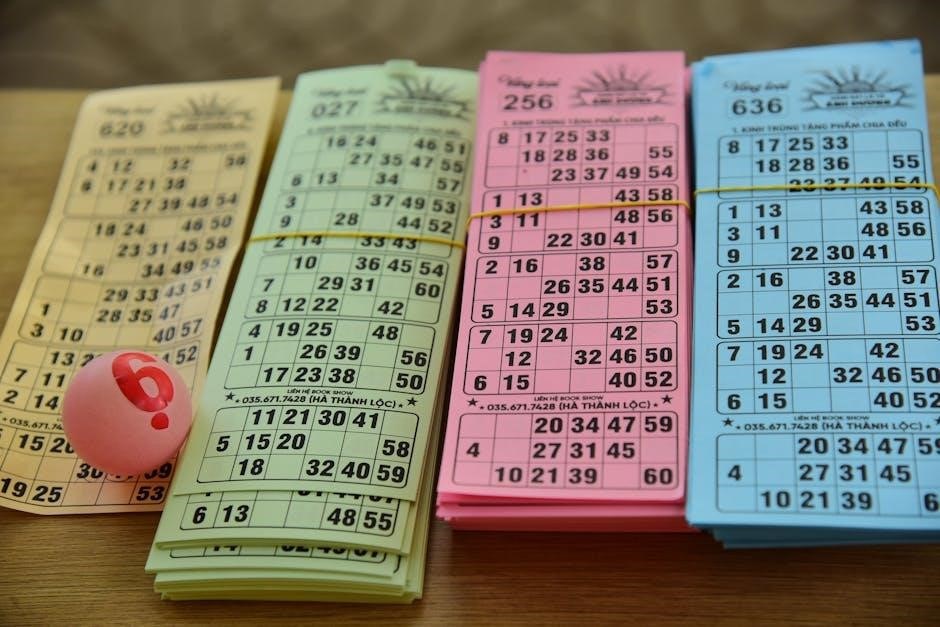
PDF studies of “King of the Bingo Game” consistently emphasize the significance of the protagonist’s deliberate violation of the bingo hall’s regulations․ He brazenly employs five bingo cards‚ a clear transgression intended to maximize his chances of winning․ This act isn’t merely strategic; it symbolizes a rejection of the imposed limitations and a desperate attempt to exert control over a life dictated by circumstance․
The use of multiple cards represents his refusal to passively accept fate․ It’s a bold‚ almost rebellious move‚ highlighting his agency within a system designed to keep him powerless․ As the narrative unfolds‚ this rule-breaking foreshadows his ultimate assertion of dominance over the spinning wheel‚ further solidifying the theme of challenging predetermined destinies․
The Protagonist’s Ascent to the Stage
PDF analyses of Ellison’s story frequently dissect the pivotal moment when the protagonist is summoned to the stage․ This isn’t simply a physical movement; it’s a symbolic elevation‚ a temporary granting of power within the confines of the bingo hall․ He’s pulled from the anonymity of the crowd‚ becoming the focal point of attention and expectation․
The stage represents a precarious position – a spotlight illuminating his desperation and hope․ His ascent is fueled by the urgent need to provide for his ailing wife‚ Laura‚ and escape the cycle of poverty․ This journey towards the wheel embodies his yearning for control‚ a desperate gamble against the forces that have consistently marginalized him‚ setting the stage for the climactic confrontation․
The Climax: Control and the Spinning Wheel
PDF interpretations of “King of the Bingo Game” highlight the climax as a powerful assertion of self․ As the protagonist confronts the spinning wheel‚ he transcends the game’s rules‚ effectively seizing control․ He isn’t merely playing bingo; he’s attempting to master fate itself‚ symbolized by the relentless rotation․
This moment signifies a rebellion against the systemic oppression that has rendered him powerless․ The wheel‚ initially representing a random‚ indifferent universe‚ becomes an extension of his will․ His declaration – “He and only he could determine…” – underscores this newfound agency; It’s a fleeting‚ perhaps illusory‚ victory‚ but a profoundly significant one within the story’s context․

Critical Interpretations and Legacy
PDF analyses reveal Ellison’s story explores identity‚ power‚ and oppression‚ themes resonating today; it foreshadows the complexities of Invisible Man and endures academically․
The Story’s Exploration of Identity and Power
PDF versions of “King of the Bingo Game” consistently highlight Ellison’s masterful depiction of a man stripped of conventional identity markers․ Lacking documentation‚ the protagonist exists on the margins‚ denied agency by a system that refuses to acknowledge his personhood․
The bingo hall becomes a microcosm of societal power dynamics‚ where chance and control are illusory․ His desperate attempt to manipulate the game—using five cards and seizing control of the wheel—is not merely about winning money‚ but about reclaiming a sense of self-worth and asserting power in a world that systematically disempowers him․
Ellison subtly demonstrates how societal structures dictate individual identity‚ and the protagonist’s struggle is a poignant commentary on the African American experience in 1930s America‚ seeking recognition and dignity․
The Enduring Relevance of Ellison’s Themes
Even today‚ readily available as a PDF‚ “King of the Bingo Game” resonates powerfully․ Ellison’s exploration of systemic oppression‚ identity‚ and the illusion of control remains strikingly relevant in contemporary society․ The protagonist’s struggle for recognition mirrors ongoing battles against social and economic inequalities․

The story’s depiction of a man marginalized by lack of documentation speaks to current debates surrounding immigration‚ access to resources‚ and the very definition of citizenship․ The bingo wheel‚ as a symbol of fate‚ continues to reflect anxieties about chance‚ destiny‚ and the precariousness of life․

Ellison’s work serves as a potent reminder of the enduring human need for agency and dignity‚ making it a timeless piece of literature․

Academic Resources and Further Reading
Numerous scholarly articles analyze “King of the Bingo Game‚” often accessible through academic databases like JSTOR and Project MUSE․ A readily available PDF version of the story facilitates close reading and annotation for students․ Exploring critical essays provides deeper insights into Ellison’s symbolism and narrative techniques․
For contextual understanding‚ research into the socio-economic conditions of African Americans during the 1930s is invaluable․ Works on the Harlem Renaissance and the Great Migration offer relevant background․ Further reading should include Ellison’s Invisible Man to trace the development of his thematic concerns․
Online literary journals and university websites also host valuable resources for studying this impactful short story․

entrie script of shrek pdf
You May Also Like

makkar ielts speaking pdf 2024

hanuman chalisa pdf in sanskrit