
olympus om 1 user manual
Olympus OM-1 User Manual: A Comprehensive Guide
Welcome! This comprehensive guide details the Olympus OM-1 system‚ offering free access to manuals and support. Explore features‚ troubleshooting‚ and the OM Image Share app.
The OM-1 represents a significant evolution within the renowned Olympus OM System‚ building upon a legacy of compact‚ lightweight‚ and high-performance photography. This camera isn’t merely a tool; it’s an invitation to rediscover the joy of image creation‚ blending classic design principles with cutting-edge technology. The OM-1 is designed for photographers of all levels‚ from enthusiasts seeking a refined shooting experience to professionals demanding uncompromising quality.
Central to the OM-1’s appeal is its compatibility with the extensive Olympus OM mount lens system. This allows users to leverage a vast collection of lenses‚ both vintage and modern‚ offering unparalleled creative flexibility. Accessing the official user manual – available for free download or through the OM Image Share app – is crucial for unlocking the camera’s full potential. The manual provides detailed instructions on setup‚ operation‚ and maintenance‚ ensuring a seamless and rewarding photographic journey. It’s a system designed for exploration and personalized expression.
Understanding the OM Mount Lens System
The Olympus OM mount‚ introduced in 1972‚ is a cornerstone of the OM-1 system’s versatility. Renowned for its compact design and robust build quality‚ the OM mount facilitates a seamless connection between the camera body and a wide array of lenses. This system boasts a rich history‚ with numerous high-quality lenses produced over decades‚ offering photographers diverse options for creative expression.
The OM-1’s compatibility extends to both original OM lenses and more recent additions‚ providing access to a broad spectrum of focal lengths and apertures. Understanding the characteristics of different lenses – such as prime lenses for sharpness and zoom lenses for flexibility – is key to maximizing image quality. The user manual details lens compatibility and provides guidance on selecting the appropriate lens for various shooting scenarios. Exploring the OM-System forum (Oly-Forum) can also offer valuable insights from experienced users regarding lens choices and performance. This legacy system remains remarkably relevant today.
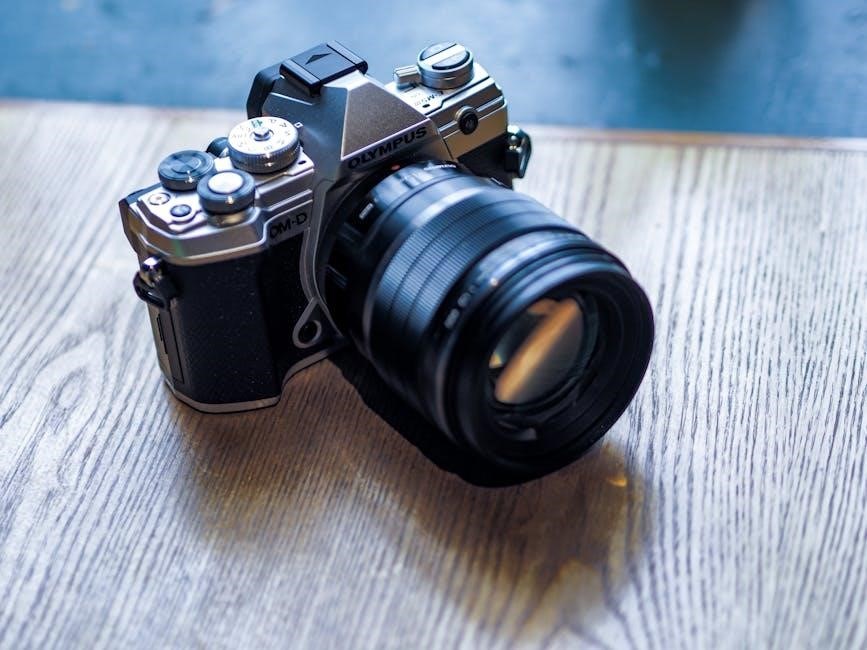
Camera Controls and Buttons: A Detailed Overview
The OM-1 features a thoughtfully designed control layout‚ prioritizing intuitive operation. Key controls include the main dial for adjusting shooting modes (Auto‚ Program‚ Aperture Priority‚ Shutter Priority‚ Manual)‚ the exposure compensation dial for fine-tuning brightness‚ and dedicated buttons for ISO‚ white balance‚ and drive mode selection. The instruction manual‚ available for free download‚ provides a detailed diagram identifying each control and its function.
Understanding the placement and operation of these controls is crucial for efficient shooting. The manual highlights the importance of the function buttons‚ which can be customized to access frequently used settings. Furthermore‚ the OM Image Share app can assist in learning the camera’s interface. Note that earlier manuals utilized silver lines/arrows to highlight key areas‚ though visibility may be reduced in reprints. Mastering these controls unlocks the full potential of the OM-1‚ allowing for precise adjustments and creative control over your images. Refer to the downloadable PDF for a comprehensive guide.
Basic Camera Setup and Initialization
Initial setup of the OM-1 involves inserting a compatible SD card for image storage and ensuring a fully charged battery. The downloadable instruction manual guides you through this process‚ emphasizing the importance of using recommended SD card types for optimal performance. Upon powering on‚ the camera prompts you to set the language‚ date‚ and time. These settings are easily adjusted using the rear control dial and buttons.
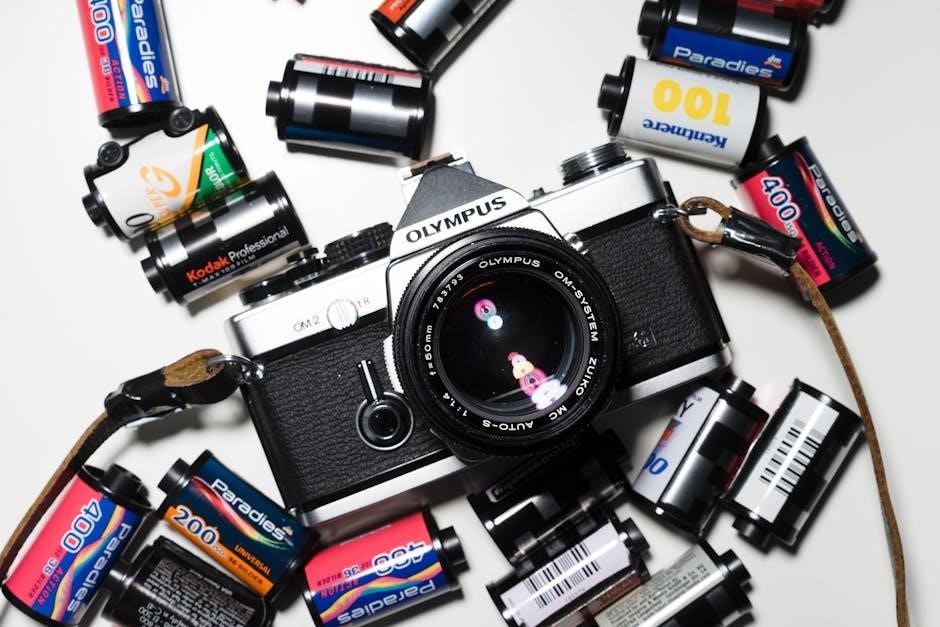
Next‚ familiarize yourself with the menu system‚ accessible via the menu button. The manual details navigating the menu to configure initial settings like image quality‚ autofocus mode‚ and metering mode. Connecting the OM-1 to the OM Image Share app facilitates firmware updates‚ ensuring your camera operates with the latest features and improvements. Proper initialization‚ as outlined in the free PDF manual‚ guarantees a smooth and efficient shooting experience. Remember to consult the manual for specific instructions tailored to your region and language preferences.
Shooting Modes Explained: Auto‚ Program‚ Aperture Priority‚ Shutter Priority‚ Manual
The OM-1 offers a versatile range of shooting modes to suit various photographic scenarios. Auto mode simplifies operation‚ letting the camera handle all settings. Program mode (P) allows for some user control while maintaining automatic exposure. Aperture Priority (A or Av) lets you set the aperture‚ influencing depth of field‚ while the camera determines shutter speed. Conversely‚ Shutter Priority (S or Tv) allows control over shutter speed‚ freezing or blurring motion‚ with the camera adjusting aperture.
For complete creative control‚ Manual mode (M) requires setting both aperture and shutter speed independently; The downloadable instruction manual provides detailed explanations of each mode‚ including how they affect image results. Understanding these modes‚ as detailed in the free PDF‚ is crucial for maximizing the OM-1’s potential. Experimenting with each mode and referencing the manual will help you achieve your desired photographic style. The OM Image Share app can also offer tutorials and tips for mastering these settings.
Focusing System: Single‚ Continuous‚ and Manual Focus
The Olympus OM-1’s focusing system provides flexibility for diverse shooting situations. Single AF (S-AF) is ideal for stationary subjects‚ locking focus once achieved. Continuous AF (C-AF) tracks moving subjects‚ continuously adjusting focus for sharp results – perfect for action photography. For precise control‚ especially in challenging conditions‚ Manual Focus (MF) allows you to adjust focus directly using the lens focusing ring.
The downloadable user manual details how to switch between these modes and customize focusing behavior. It explains focus point selection and how to utilize focus peaking for enhanced manual focusing accuracy. Mastering these options‚ as outlined in the free PDF‚ is key to capturing sharp images. The OM Image Share app may offer supplementary guides and tutorials on optimizing focus performance. Experiment with each mode to determine the best approach for your specific photographic needs‚ referencing the manual for detailed guidance.
Metering Modes: Evaluating Light for Accurate Exposure
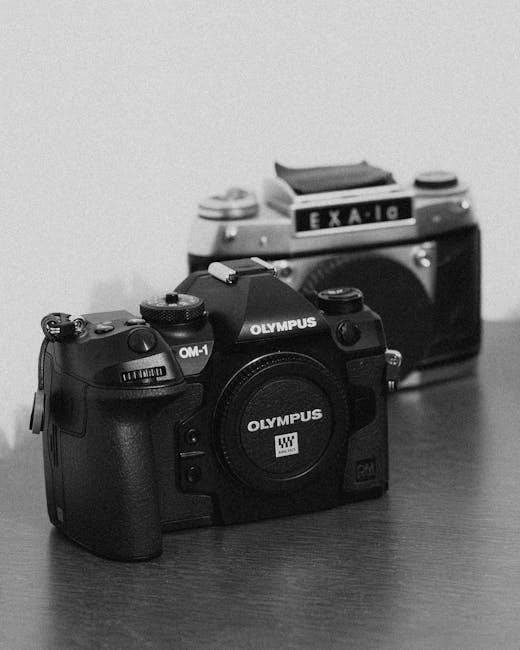
Achieving correct exposure relies on understanding the OM-1’s metering modes. The camera offers several options for evaluating light‚ each suited to different scenes. Spot metering precisely measures light from a small area‚ ideal for high-contrast situations or backlit subjects. Point metering is similar‚ offering even greater precision. Multi-Metering (or evaluative metering) analyzes the entire scene‚ providing a balanced exposure – excellent for general photography.
The freely available user manual comprehensively explains each mode and when to use them. It details how the camera interprets light and how to utilize exposure compensation to fine-tune results. Understanding these settings‚ as detailed in the downloadable PDF‚ is crucial for consistent image quality. The OM Image Share app might provide visual aids demonstrating the effects of each metering mode. Experimenting with these modes and referencing the manual will empower you to consistently capture well-exposed photographs in any lighting condition.
Image Stabilization (IS) System: Maximizing Sharpness
The OM-1’s advanced Image Stabilization (IS) system is pivotal for achieving sharp images‚ particularly in low light or when using longer focal length lenses. This system compensates for camera shake‚ allowing for handheld shooting at slower shutter speeds than would otherwise be possible. The user manual details the various IS modes available‚ including options optimized for panning and tripod use.
Understanding how to effectively utilize IS is key to maximizing image quality. The downloadable manual explains the system’s operation and provides guidance on selecting the appropriate IS mode for different shooting scenarios. The OM Image Share app may offer tutorials or visual demonstrations of the IS system in action. Properly configured‚ IS significantly reduces blur caused by camera movement‚ resulting in noticeably sharper and clearer photographs. Referencing the manual and experimenting with the settings will unlock the full potential of this valuable feature.
Navigating the Menu System: Customization and Settings
The Olympus OM-1 boasts a comprehensive menu system‚ allowing extensive customization of camera settings to suit individual shooting preferences; The user manual serves as an essential guide to understanding the organization and functionality of these menus. Users can access and modify settings related to image quality‚ autofocus‚ metering‚ display options‚ and various other camera functions.
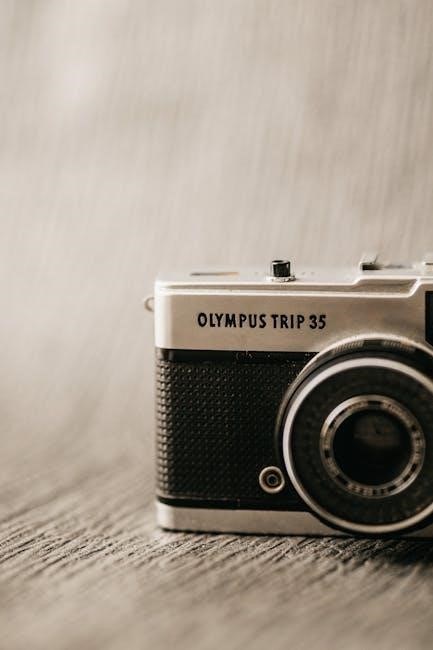
The downloadable manual details each menu item‚ explaining its purpose and available options. This enables photographers to personalize their OM-1 experience and optimize the camera for specific shooting styles. The OM Image Share app may provide supplementary information or visual aids to assist in navigating the menu system. Mastering the menu structure is crucial for unlocking the full potential of the OM-1 and tailoring its performance to individual needs. Careful review of the manual is highly recommended for efficient customization.
Understanding the Viewfinder Display
The Olympus OM-1’s viewfinder provides a crucial real-time view of the scene‚ displaying essential shooting information. The user manual thoroughly explains each element visible within the viewfinder‚ ensuring photographers can quickly interpret and utilize this information. Key indicators include focus points‚ exposure settings‚ metering mode‚ and various camera status displays.
Understanding these symbols and readouts is vital for precise control over image capture. The manual details how the viewfinder display changes based on selected shooting modes and customized settings. It clarifies how to interpret exposure compensation indicators and confirm proper focus acquisition. The OM-1’s viewfinder aims to provide a clear and concise representation of the camera’s operational status‚ empowering photographers to make informed decisions and achieve optimal results. Referencing the manual will unlock the full potential of this essential viewing tool.
Working with Flash: Built-in and External Units
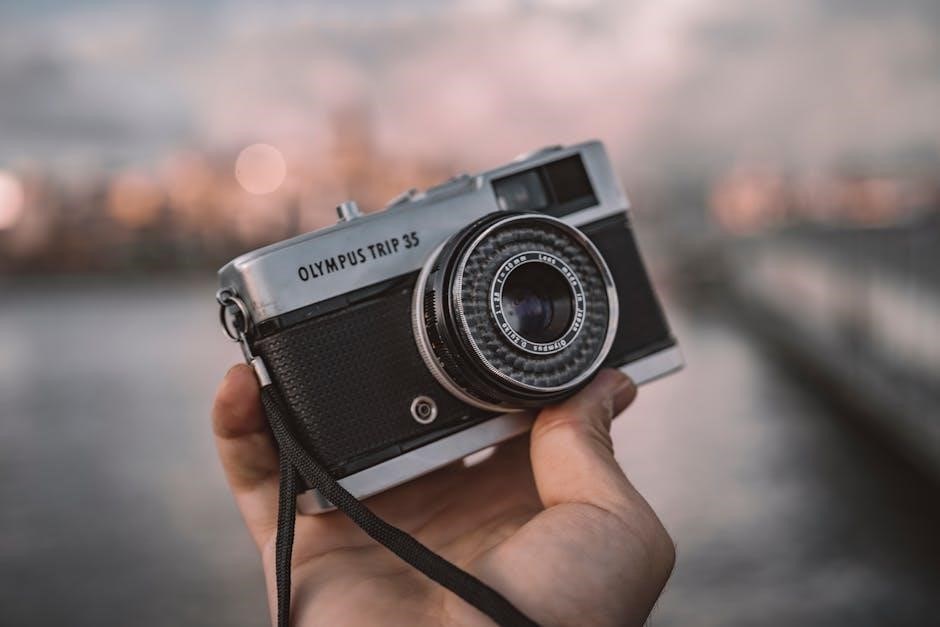
The Olympus OM-1 system offers versatile flash capabilities‚ supporting both the integrated built-in flash and a wide range of compatible external flash units. The user manual provides detailed instructions on utilizing each option effectively. It explains how to activate and adjust the built-in flash for basic illumination‚ including settings for red-eye reduction and fill-flash techniques.
For more advanced control‚ the manual guides users through connecting and configuring external flash units. This includes understanding synchronization modes‚ high-speed sync‚ and wireless flash control. It details how to leverage the OM-1’s flash compensation features to fine-tune exposure and achieve desired lighting effects. The manual also covers troubleshooting common flash-related issues‚ ensuring photographers can maximize the potential of their flash setup for creative and technically sound images. Mastering flash functionality expands the OM-1’s photographic possibilities.
Image Review and Playback Functions
The Olympus OM-1 provides comprehensive image review and playback features‚ allowing photographers to meticulously examine captured images directly on the camera’s display. The user manual details how to navigate through images efficiently‚ utilizing zoom functionality for precise detail assessment. Users can review shooting data‚ including exposure settings‚ date‚ and time‚ to understand the conditions under which each photograph was taken.
Furthermore‚ the manual explains how to utilize playback options like histograms for evaluating exposure accuracy and highlight/shadow alerts for identifying potential clipping. It covers features for deleting unwanted images and protecting important ones from accidental deletion. The OM-1 also supports image playback customization‚ allowing users to adjust display settings and playback speed. These functions are crucial for critical image evaluation‚ ensuring photographers can refine their technique and select the best shots from their collection.
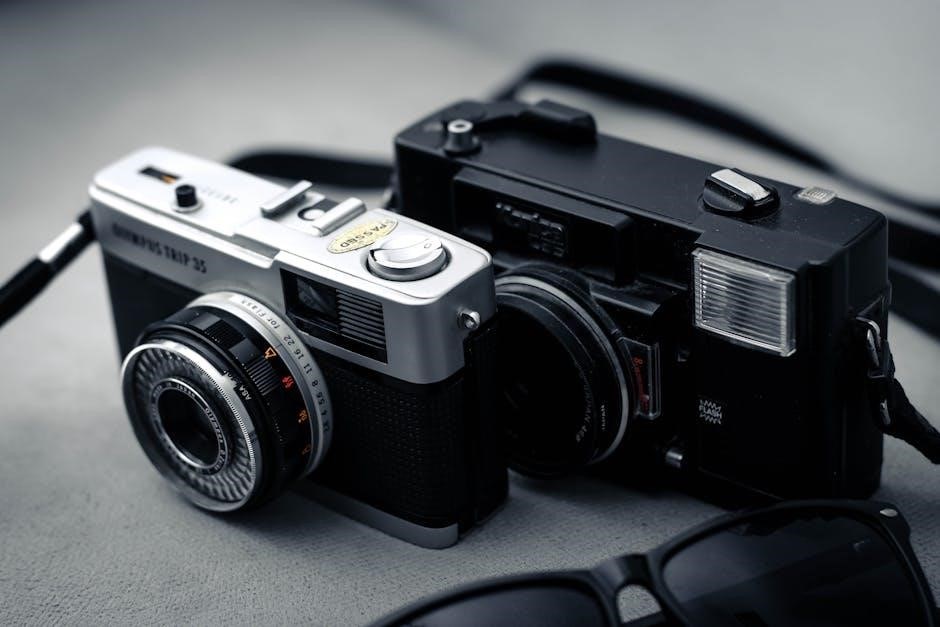
File Management: Saving‚ Deleting‚ and Transferring Images
The Olympus OM-1’s file management system‚ detailed in the user manual‚ offers robust options for organizing and handling captured images. The manual explains how to select different storage locations‚ utilizing available memory cards efficiently. It outlines procedures for saving images in various file formats‚ including JPEG and RAW‚ catering to different post-processing needs.
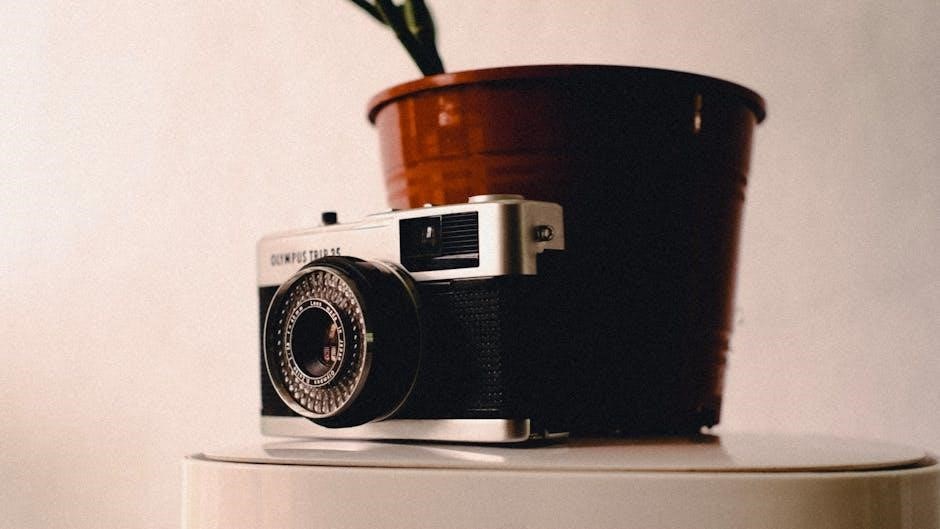
Deleting unwanted images is clearly explained‚ with options for single or batch deletion to streamline workflow. The manual also provides comprehensive instructions on transferring images to a computer or other devices. This includes utilizing the OM Image Share app for wireless transfer and direct connection via USB. Understanding these processes ensures photographers can easily back up their work‚ free up storage space‚ and share their images seamlessly. Proper file management is essential for maintaining an organized and efficient photography workflow with the OM-1.
Customizing Camera Settings: Personalizing Your Experience
The Olympus OM-1 user manual extensively covers the camera’s customization options‚ empowering photographers to tailor the experience to their individual preferences. Navigating the menu system – a key aspect detailed in the manual – unlocks a wealth of settings. Users can personalize button assignments‚ optimizing control for specific shooting styles and frequently used functions.
Further customization extends to the viewfinder display‚ allowing photographers to choose the information presented for quick reference. The manual guides users through adjusting image quality settings‚ white balance‚ and various other parameters to achieve desired results. These settings‚ combined with the ability to save custom shooting profiles‚ ensure the OM-1 adapts to diverse photographic scenarios. Mastering these customization features allows photographers to maximize the camera’s potential and create a truly personalized shooting experience‚ enhancing both efficiency and creative control.
Troubleshooting Common Issues: Solutions and Support
The Olympus OM-1 user manual provides a dedicated section addressing common issues users might encounter. This resource offers practical solutions to frequently reported problems‚ ranging from operational errors to connectivity challenges with the OM Image Share app. The manual details troubleshooting steps for issues like focusing problems‚ exposure inaccuracies‚ and unexpected camera behavior.
Beyond the manual‚ the Oly-Forum serves as a vibrant community offering peer-to-peer support and a wealth of user-generated solutions. This online forum is a valuable resource for resolving complex issues or seeking advice from experienced OM-1 owners. Additionally‚ Olympus provides official support channels‚ including downloadable resources and direct assistance. By utilizing the manual‚ online forums‚ and official support‚ OM-1 users can effectively diagnose and resolve issues‚ ensuring a smooth and enjoyable photographic experience. The manual emphasizes preventative maintenance to minimize potential problems.
Maintaining Your OM-1: Cleaning and Storage

The Olympus OM-1 user manual stresses the importance of regular maintenance for optimal performance and longevity. Proper cleaning procedures are detailed‚ advising users on how to safely remove dust and debris from the camera body and lens elements. Gentle cleaning with a soft cloth is recommended‚ avoiding harsh chemicals or abrasive materials that could damage the finish.

Regarding storage‚ the manual suggests keeping the OM-1 in a dry‚ dust-free environment‚ ideally within a dedicated camera bag or case. Prolonged exposure to humidity or extreme temperatures should be avoided. The lens should also be protected with a cap when not in use. Regular inspection of the camera and lens for any signs of wear or damage is encouraged. Following these simple maintenance guidelines‚ as outlined in the manual‚ will help ensure your OM-1 remains in excellent condition for years to come‚ preserving its functionality and value.
OM Image Share App Integration: Connectivity and Features
The Olympus OM-1 user manual highlights the seamless integration with the OM Image Share app‚ enhancing the photographic workflow. This smartphone application facilitates a range of functionalities‚ including remote camera control‚ live view monitoring‚ and effortless image transfer. Users can adjust camera settings‚ trigger the shutter‚ and preview shots directly from their mobile devices.
Furthermore‚ the app streamlines image management‚ allowing for easy browsing‚ selection‚ and sharing of photos and videos. It also provides access to firmware updates‚ ensuring the OM-1 remains current with the latest improvements and features. The manual details the pairing process and explains how to navigate the app’s interface. Downloading the Instruction Manual directly through the OM Image Share app is also possible; This connectivity expands creative possibilities and simplifies the overall user experience‚ making the OM-1 even more versatile and user-friendly.

edge guide

holmes humidifier manual
You May Also Like

phases of the moon pdf

philippine dual citizenship application form uk